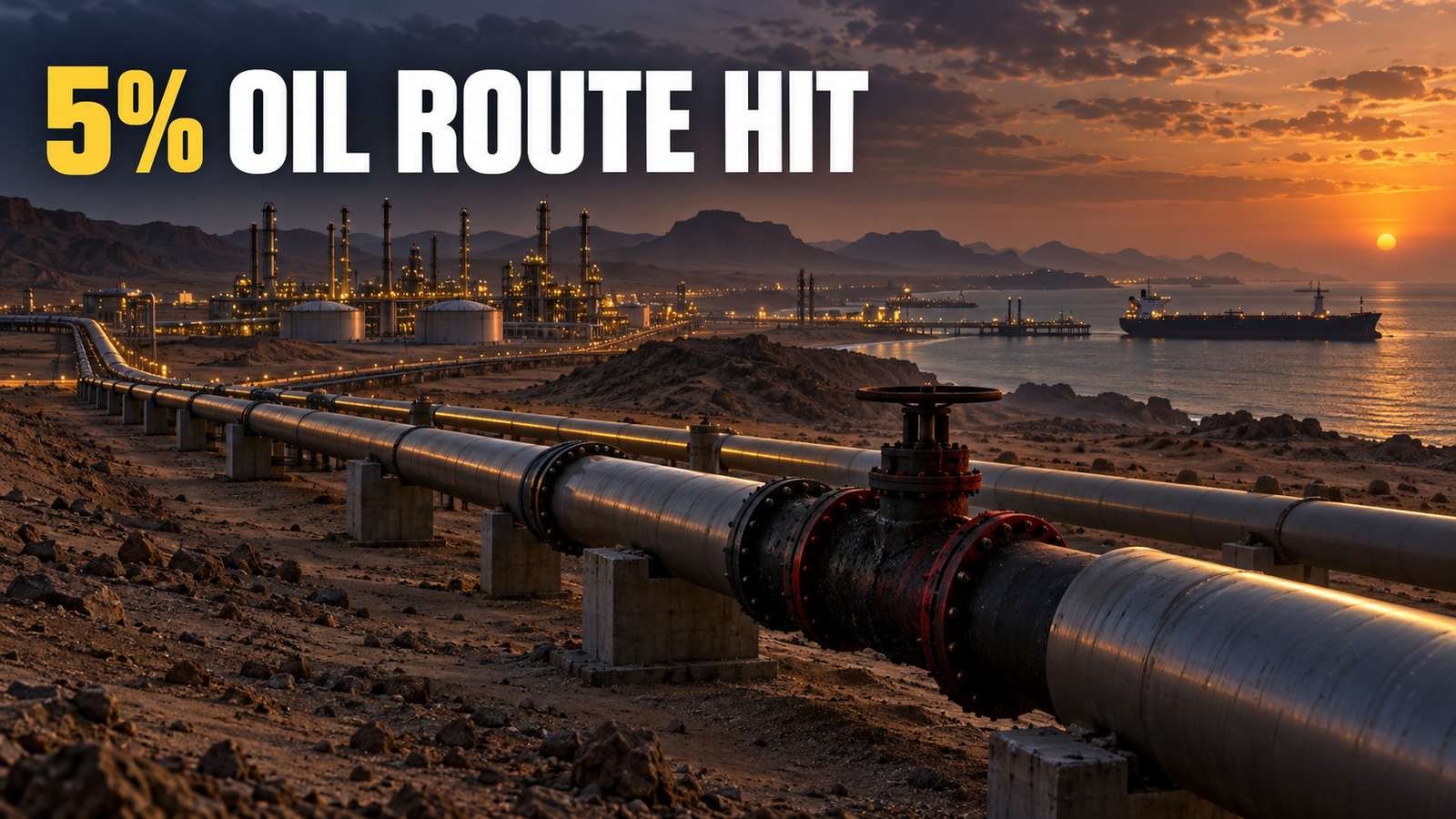
A Pipeline Carrying Up to 5% of Global Oil Supply Was Shut
The 1,200-kilometre route that bypasses Hormuz has been taken offline after an attack linked to infrastructure from Iraq, tightening an already fragile Red Sea shipping system.
What changed, why it matters, and what most people may be overlooking.
The 1,200-kilometre route that bypasses Hormuz has been taken offline after an attack linked to infrastructure from Iraq, tightening an already fragile Red Sea shipping system.
Sam Altman says a listing will not happen this year and the company may be close to a safety pact, pushing investors to reprice timing, governance and the cost of frontier AI.
RBI has rejected Tata Sons’ request to surrender its core-investment-company registration, keeping India’s largest unlisted holding company on the path toward a potentially historic market debut.
Fraudulent requests sent from a legitimate agency email domain exposed sensitive customer identity data, revealing a social-engineering weakness outside the bank’s core systems.
The law taking effect September 13 broadens prosecution beyond North Korea and sets a minimum three-year prison term, raising compliance stakes across chips, batteries, displays and AI.
India’s largest private lender has sent two names to RBI ahead of Sashidhar Jagdishan’s October exit, putting succession, integration and board design under one spotlight.
The regulator is weighing a closing auction and tighter post-close rules after introducing CAS, targeting the concentrated orders and cancellations that can distort index settlement.
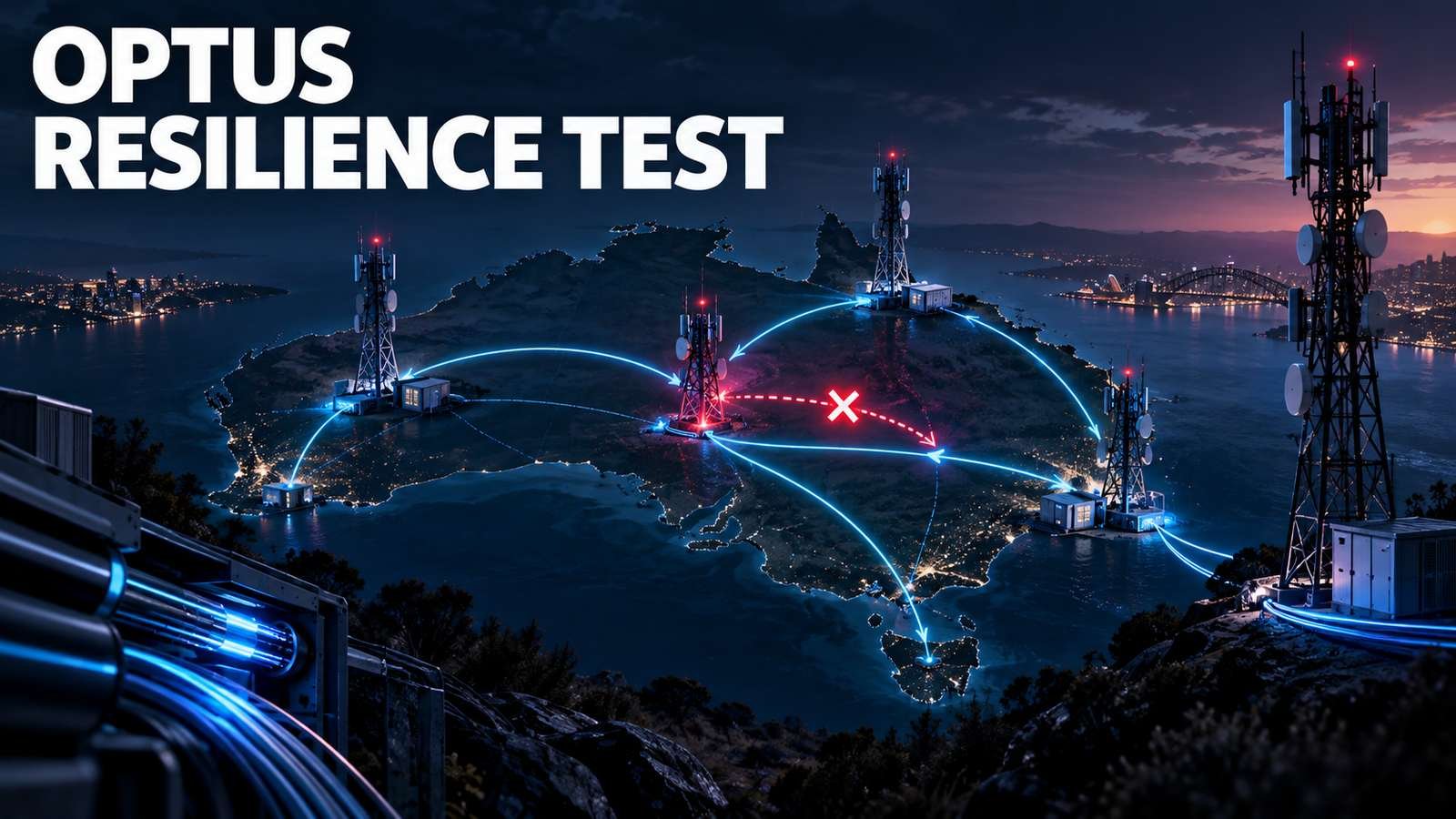
The latest disruption affected four regions and renewed government pressure after a cyberattack, a national outage and a prior failure linked to emergency-call deaths.
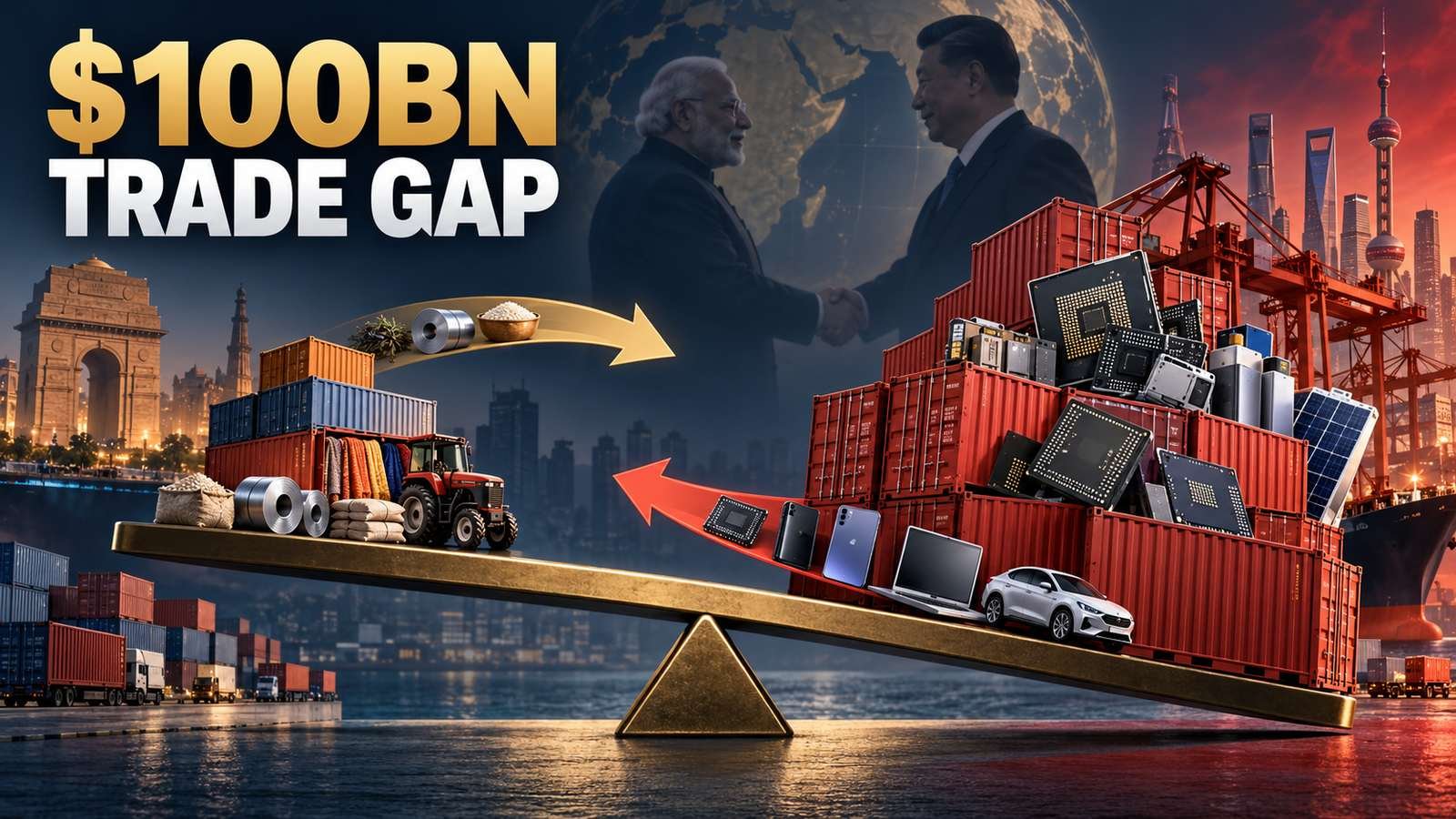
Xi Jinping’s first India visit in seven years signals a diplomatic reset, but record bilateral commerce remains shaped by Indian dependence on Chinese machinery, electronics and industrial inputs.
The European Commission has advanced the agreement toward Council approval and signature, but tariff savings and 2027 implementation still depend on legal completion and ratification.
Atria is running roughly two years late, pushing Hyundai toward Nvidia-based Level 2+ technology in 2028 while it races to close a software gap without expensive lidar.
India’s dominant exchange is preparing a roughly $2.36 billion IPO while regulation pressures weekly derivatives, making diversification the central argument behind the valuation.
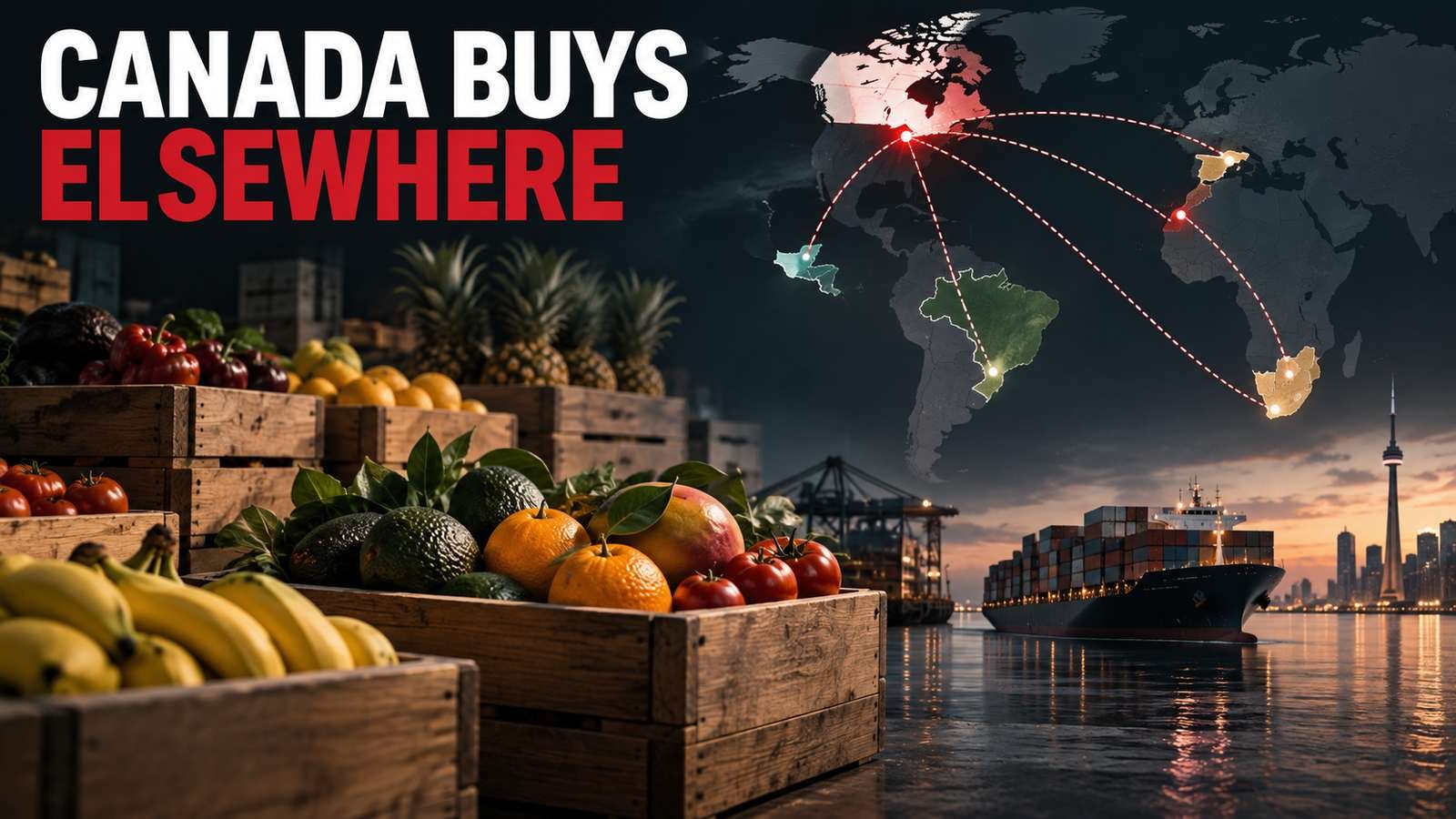
Grocers are adding produce from Morocco, South Africa, Spain, Brazil and Honduras as shoppers favour Canadian goods, turning consumer politics into a procurement and margin test.
Users have reported separate COD charges of ₹5, ₹13 and ₹21 as Eternal raises platform fees, revealing how food-delivery economics are shifting from menu commission to layered checkout monetisation.
The sports car first shown in 2017 is set for another reveal, potentially with SpaceX-linked technology, but delivery evidence will matter more than spectacle.
India’s payments utility generated ₹4,240 crore in revenue, yet surplus dropped to ₹989 crore as taxes, marketing and the BHIM ecosystem absorbed more of UPI’s scale.
The AI company may seek $100 billion while a major chip supplier considers up to $10 billion; the record-scale listing would test whether circular ecosystem finance can satisfy public investors.
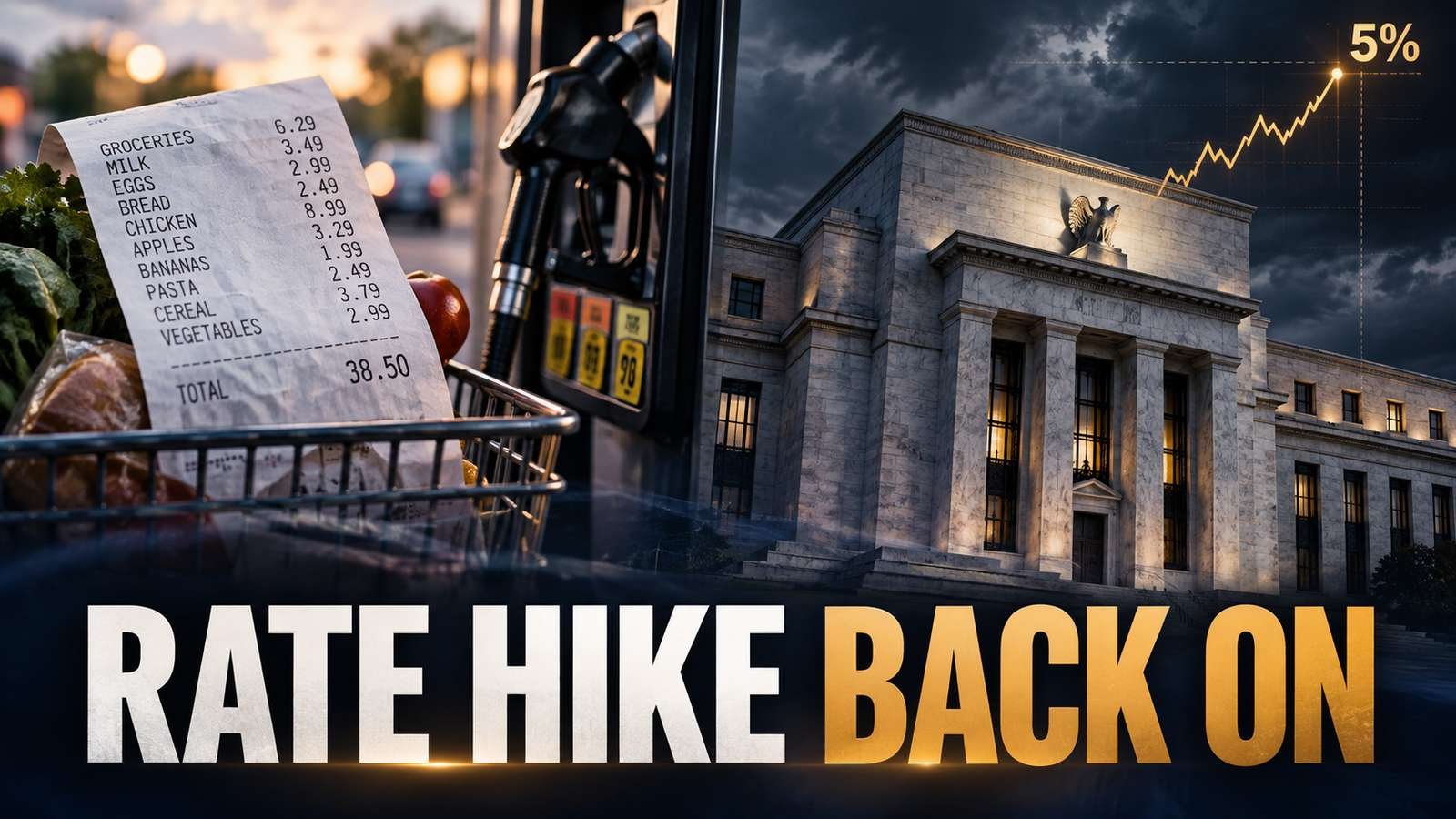
August CPI accelerated, real wages fell again and markets priced an 87% chance of a quarter-point hike; the near-5% Treasury yield is tightening conditions before the Fed votes.
A record forex inflow left banks with ₹10.25 trillion of surplus cash; the central bank is now using its strongest drain in years while the 10-year yield is already under pressure.
Situational Awareness liquidated most public equities after a chip rout and margin call; the real warning is how leverage can turn a popular thesis into forced selling.
The administration is considering support for expansions and efficiency upgrades as diesel tops $6, but near-full utilisation means money cannot create quick spare capacity.
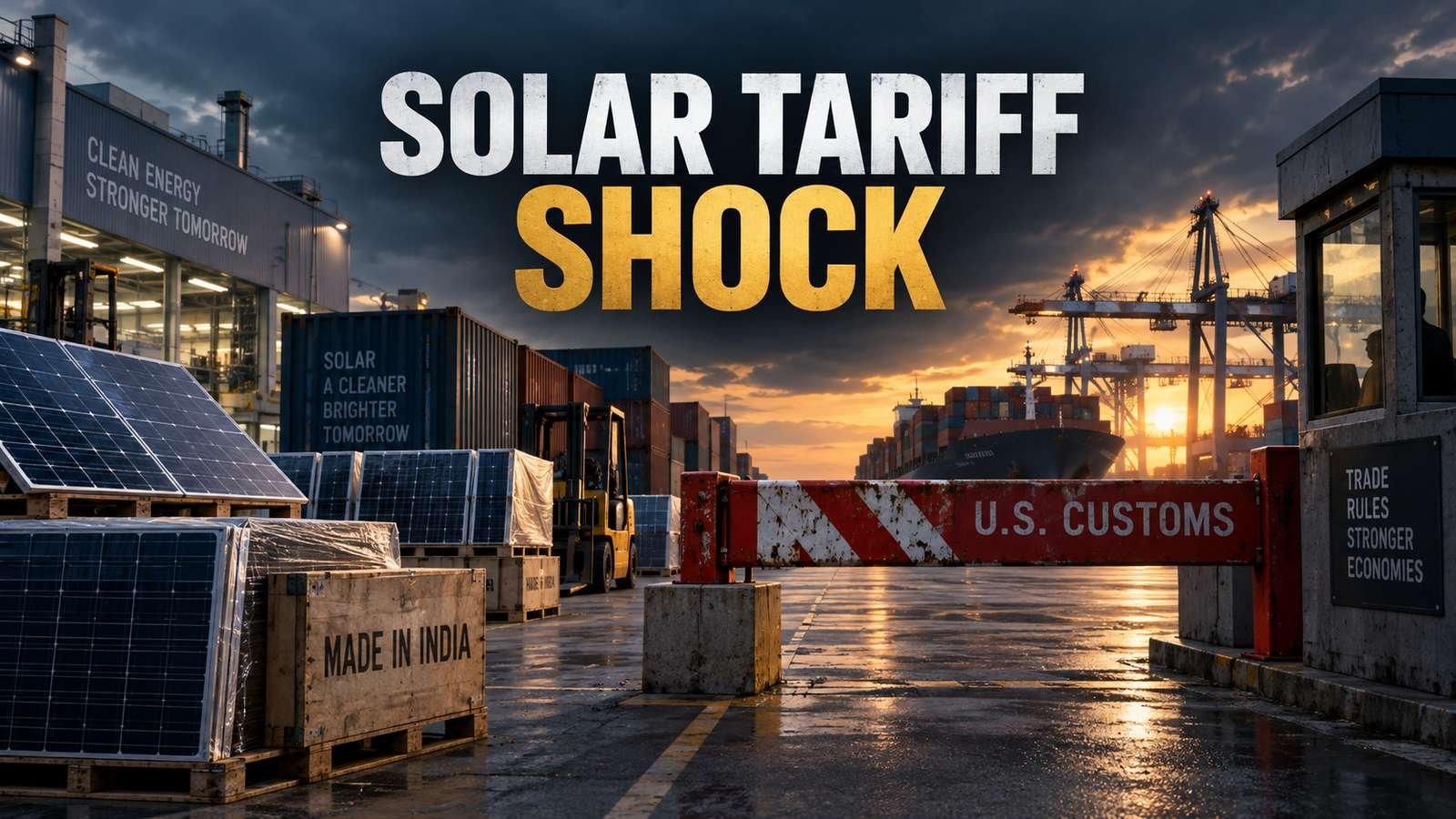
Washington set a 123.04% anti-dumping margin and 126.09% countervailing rate for Indian producers; an October injury vote now decides whether final orders follow.
The conglomerate’s first domestic bond sale since November 2023 offers 7.47%, landing just as RBI liquidity withdrawal and higher sovereign yields make funding conditions less forgiving.
Apollo is reportedly among bidders for DePuy Synthes, a $9.3 billion-revenue business; the buyer must find growth and margin upside in a mature, regulated implant market.
Brussels abandoned a three-year export levy as an India trade deal nears, yet tougher waste rules could still block direct shipments from May 2027.
Francisco Partners and KKR-backed investors are buying about 15% as compulsory e-invoicing integration makes the Italian software provider harder to displace.
Finance ministers demanded a bigger emerging-market voice and faster, cheaper cross-border payments; turning a joint statement into interoperable infrastructure is the harder step.
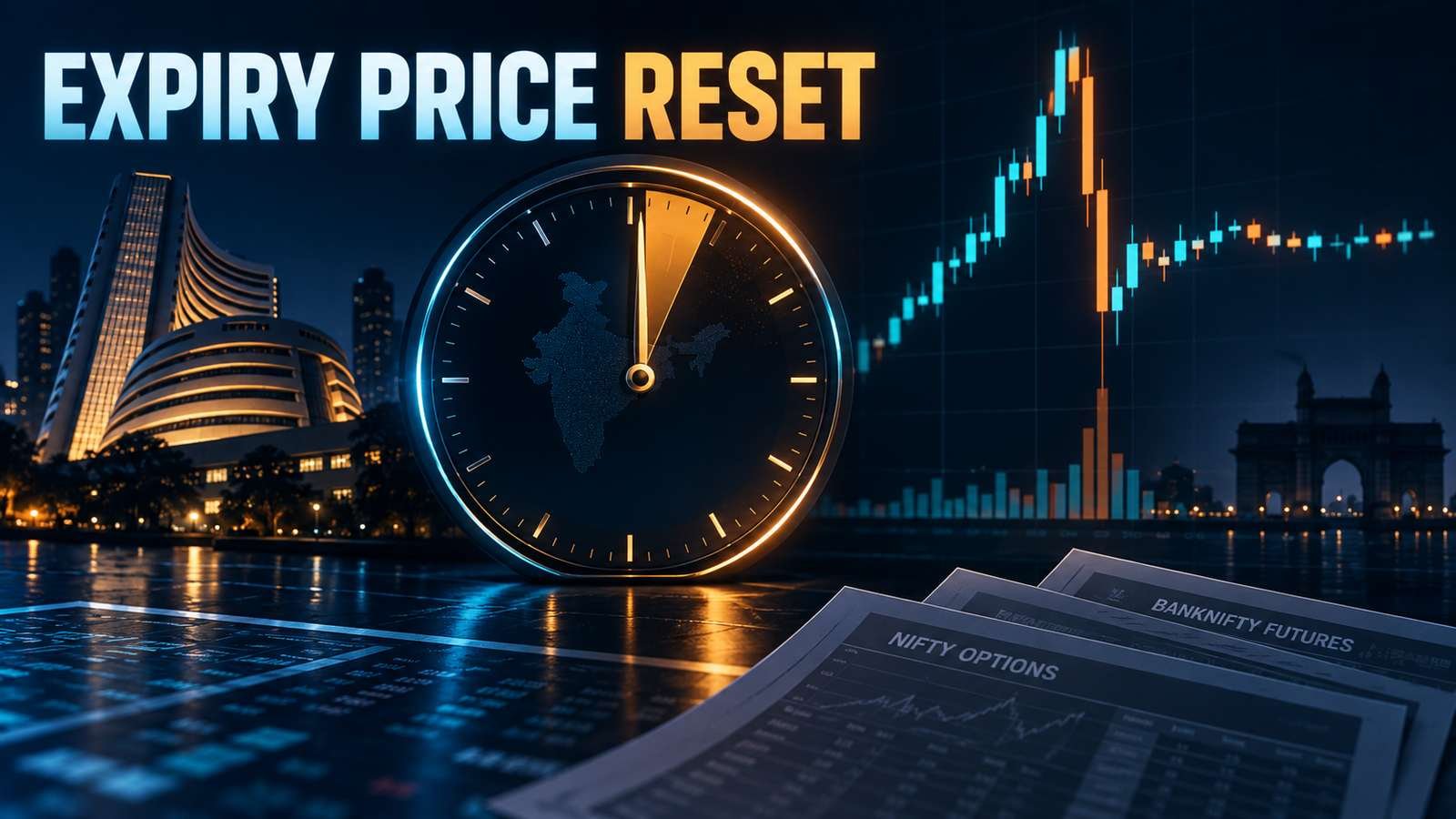
India’s month-old closing auction cut average options turnover 20% and produced violent expiry-day swings, prompting SEBI to review how derivatives are settled against the auction close.
Health cover launched with HDFC ERGO and travel insurance may follow, but distribution power will be judged by renewal quality and claims—not checkout reach.
Petronas can supply a state-backed Japanese intermediary when utilities cannot source cargoes elsewhere, but volume and contract length were left undisclosed.
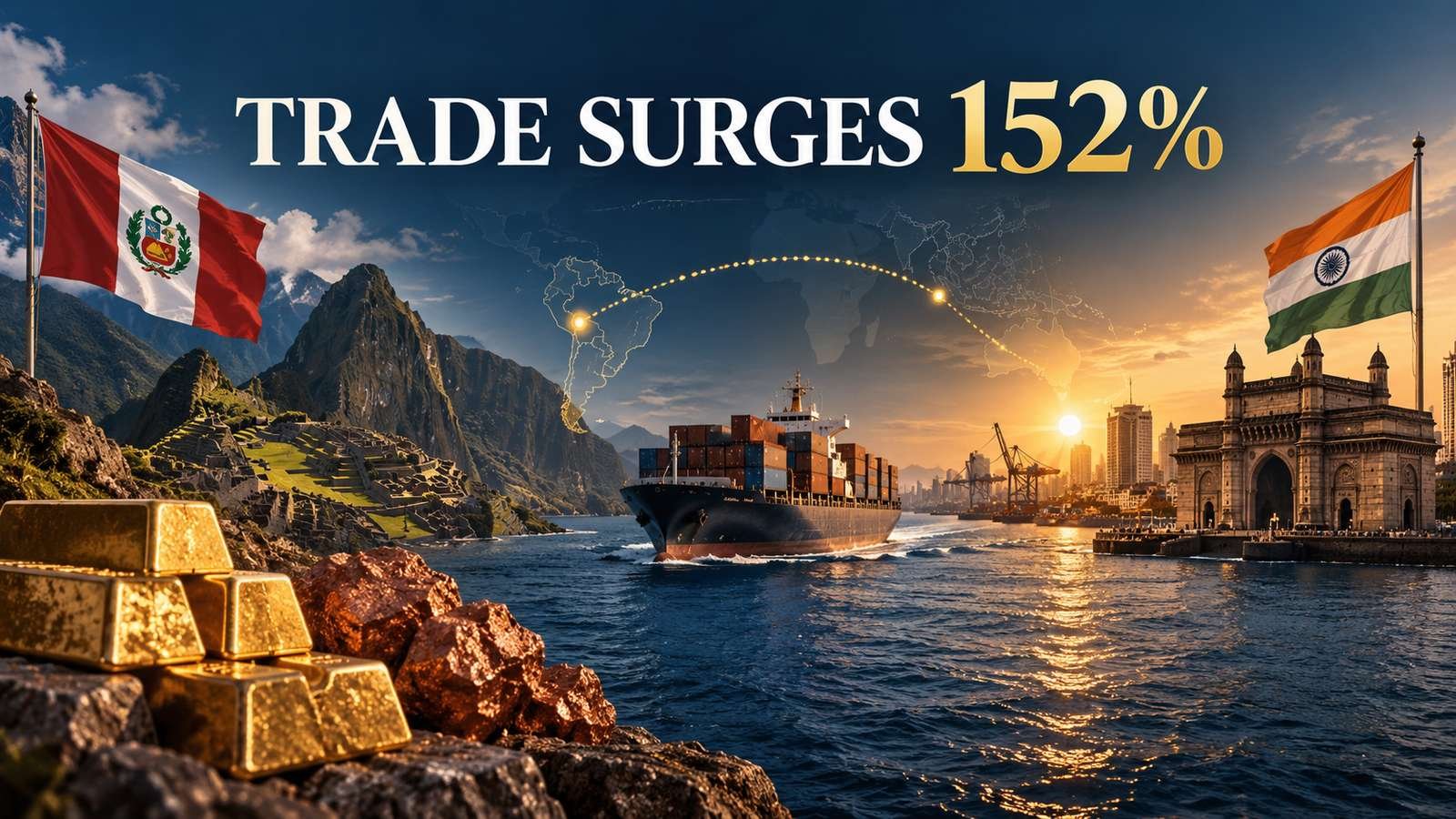
India overtook the US as Peru’s second-largest export destination through July, but gold concentration means the headline growth is less diversified than it appears.
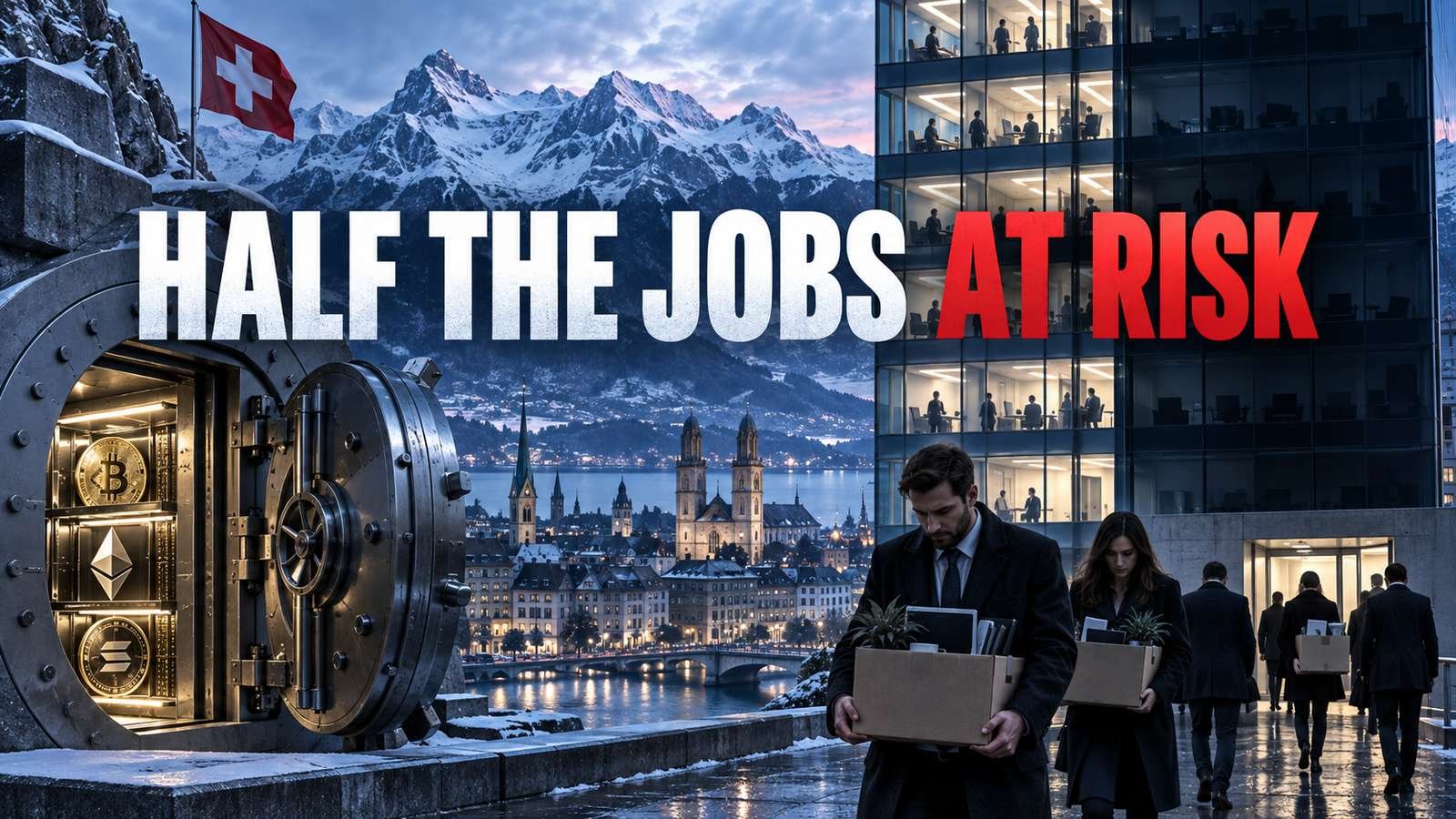
The Zug-based firm will consolidate software and back-office work internationally, close Copenhagen development and build a Vietnam hub—showing cost geography matters even in premium crypto finance.
The pipe maker’s unexecuted book reached about ₹4,100 crore, but delivery timing, customer mix and cash conversion will decide whether the market’s excitement was earned.
A new five-year plan targets specialised manufacturers, higher productivity and faster R&D spending, turning SME finance into an instrument of technology and supply-chain policy.
Deliveries rose 9% through August and A330 handovers restarted, yet the company still needs 395 aircraft in four months to reach its full-year goal.
Overwhelming investor support moves the transaction forward, but state and federal reviews must decide whether scale, data-centre demand and customer protections can coexist.