A Pipeline Carrying Up to 5% of Global Oil Supply Was Shut
The 1,200-kilometre route that bypasses Hormuz has been taken offline after an attack linked to infrastructure from Iraq, tightening an already fragile Red Sea shipping system.
A Pipeline Carrying Up to 5% of Global Oil Supply Was Shut
*By PriceVia Energy Desk | Published September 13, 2026 | Updated September 13, 2026*
Why this matters now
The 1,200-kilometre route that bypasses Hormuz has been taken offline after an attack linked to infrastructure from Iraq, tightening an already fragile Red Sea shipping system.
Key points
- Saudi Arabia shut the East–West oil pipeline, a 1,200-kilometre route with capacity of roughly 4–5 million barrels a day. - That capacity equals about 4–5% of global supply and normally provides an alternative to the Strait of Hormuz. - The market impact depends on duration and inventories; nameplate capacity is not the same as barrels immediately lost.
The numbers
| Metric | Value | Context | |---|---:|---| | Pipeline length | 1,200 km | About 745 miles | | Capacity | 4–5m bpd | Nameplate range | | Global supply share | 4–5% | Approximate capacity | | US diesel | Above $6/gal | Reported stress | | Saudi supply | 30+ year low | Reported context | | Bypass role | Hormuz alternative | Strategic route |
What happened
Saudi Arabia shut its East–West oil pipeline after an attack linked in the Reuters report to infrastructure from Iraq. The route runs about 1,200 kilometres and can carry roughly 4–5 million barrels per day from eastern fields toward the Red Sea. [S1, S2] Its strategic value is that it bypasses the Strait of Hormuz. The disruption comes as Houthi forces tightened control around Red Sea shipping and Saudi supply was reported at its lowest in more than three decades. US diesel prices had moved above $6 per gallon, showing downstream stress already present. [S1, S3]
What everyone is watching
The first variable is outage duration. Traders need confirmation of physical damage, repair time, current throughput before shutdown and whether ports, storage or alternate routes can absorb displaced barrels. Shipping risk can be as important as production. Even if oil reaches a terminal, vessel availability, insurance, naval security and route choice determine delivered supply and freight cost.
What the market may be missing
PriceVia analysis: quoting 5% of global supply as “lost” would be misleading. That figure describes maximum route capacity; actual market loss depends on utilisation and substitution. The shock is nevertheless large because it removes flexibility during a regional crisis. Middle-distillate markets may feel pressure before headline crude balances. Refinery configuration, product inventories and longer voyages can amplify diesel and jet-fuel costs even when total crude production changes less.
Positive case
Damage is limited, flows resume quickly and strategic inventories bridge the gap. Diplomatic or security measures reopen shipping routes and freight premiums ease.
Downside case
Repairs take weeks, attacks spread to terminals or alternate infrastructure and insurers withdraw capacity. Product shortages deepen, inflation rises and importing economies face renewed subsidy pressure.
What would change the story
Watch Saudi operating updates, satellite and shipping data, tanker rates, Red Sea transits, refinery runs, product inventories and official stock releases. Confirmed sustained throughput matters more than verbal reassurance.
Verification lens
Use physical-flow data to distinguish a precautionary shutdown from damaged capacity. The price response should be tested against inventory and refinery evidence.
Related stocks and themes
Saudi Aramco, crude oil, diesel, tanker shipping, Red Sea, Strait of Hormuz, inflation, refiners and energy importers.
How to read it
Energy exposure should be analysed across crude, products and freight. Avoid multiplying nameplate capacity by spot price as if every barrel vanished; build scenarios around utilisation, duration and substitution.
PriceVia View
The outage is a flexibility shock before it is a simple supply number. Losing a major bypass during regional disruption makes every remaining route more valuable—and every additional failure more dangerous.
Sources and timestamps
- [S1 — Reuters: Saudi pipeline shutdown and Red Sea risk](https://www.reuters.com/business/energy/saudis-shut-down-oil-pipeline-houthis-tighten-grip-red-sea-shipping-2026-09-12/) — published 2026-09-12; accessed 2026-09-13T17:15:00+05:30 - [S2 — Saudi Ministry of Energy](https://www.moenergy.gov.sa/en) — published 2026-09-13; accessed 2026-09-13T17:15:00+05:30 - [S3 — IEA: oil market and emergency stocks](https://www.iea.org/topics/oil-market-report) — published 2026-09-13; accessed 2026-09-13T17:15:00+05:30 - [S4 — EIA: petroleum prices and inventories](https://www.eia.gov/petroleum/) — published 2026-09-13; accessed 2026-09-13T17:15:00+05:30
Visual disclosure
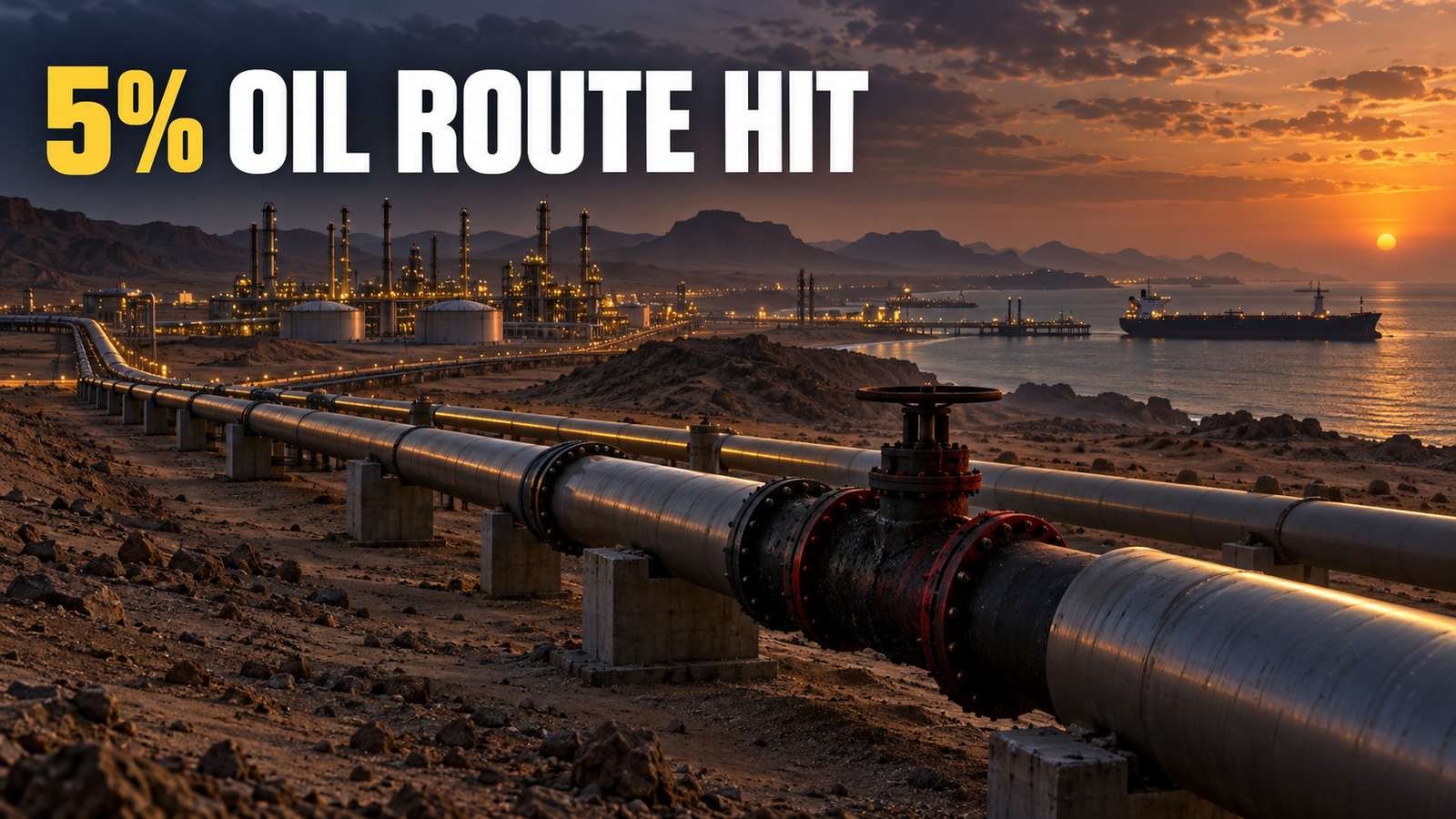
Hero visual created specifically for this article. Thumbnail text: “5% OIL ROUTE HIT”. It is an editorial illustration, not a market-data screenshot.
Market-risk disclaimer
This article is for market education and information only. It is not investment advice, a recommendation or a promise of returns. Prices, policy decisions, deal terms and forecasts can change; verify the latest primary disclosures and assess risk independently.
- Repair timeline
- Physical flows
- Diesel inventories
Risk context: This article is for market education and information only. It is not investment advice, a recommendation or a promise of returns. Prices, policy decisions, deal terms and forecasts can change; verify the latest primary disclosures and assess risk independently.
- reuters.com2026-09-12
- moenergy.gov.sa2026-09-13
- iea.org2026-09-13
- eia.gov2026-09-13
Related PriceVia analysis

Tesla Set October 1 for the Roadster — Nine Years of Delay Make the Date the Product
The sports car first shown in 2017 is set for another reveal, potentially with SpaceX-linked technology, but delivery evidence will matter more than spectacle.

Revolut Trusted a Government Email — Attackers Turned It Into a Data Breach
Fraudulent requests sent from a legitimate agency email domain exposed sensitive customer identity data, revealing a social-engineering weakness outside the bank’s core systems.

South Korea’s New Espionage Law Now Covers Every Foreign State
The law taking effect September 13 broadens prosecution beyond North Korea and sets a minimum three-year prison term, raising compliance stakes across chips, batteries, displays and AI.
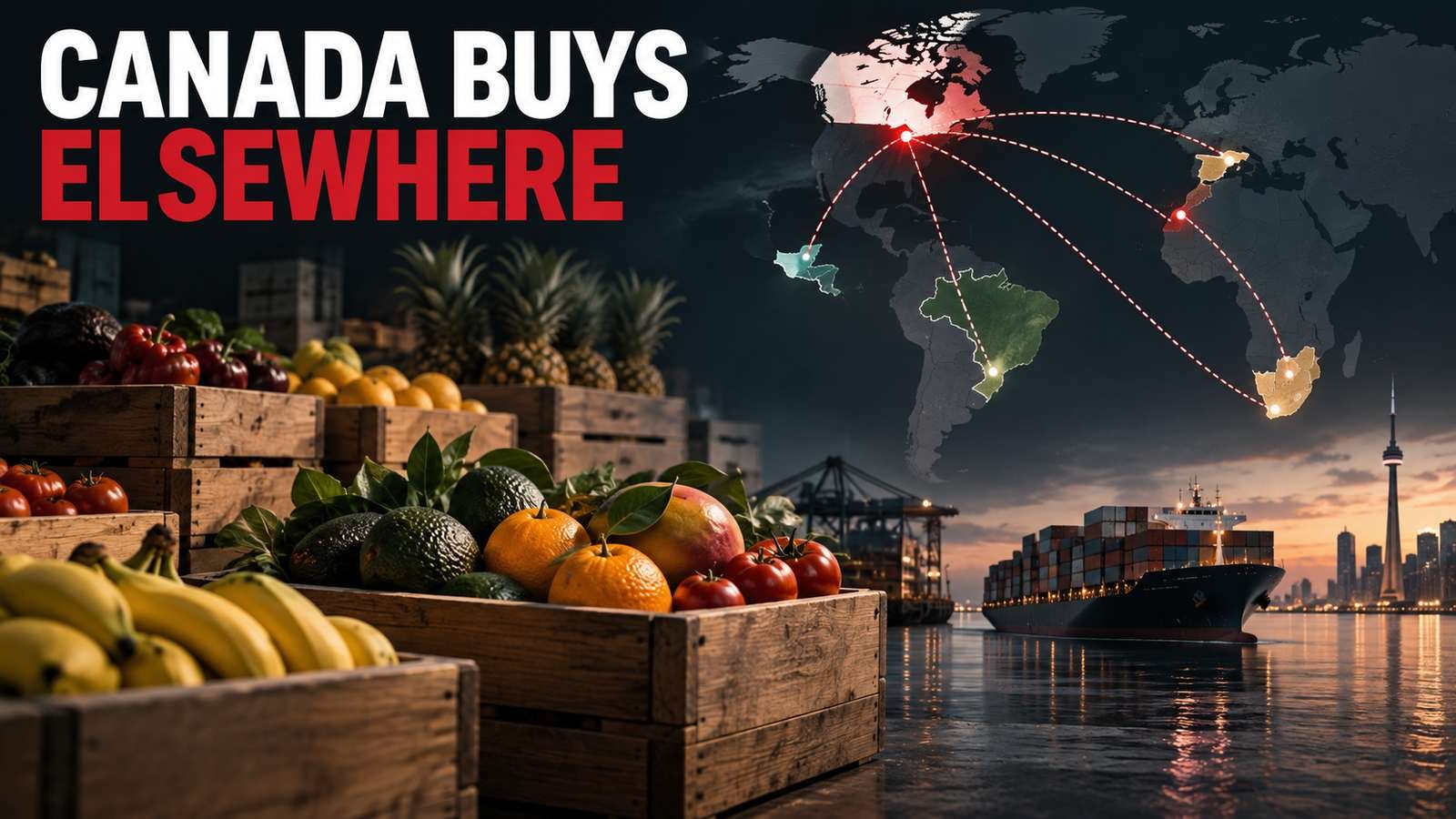
Canada’s US Boycott Is Rewriting the Grocery Aisle
Grocers are adding produce from Morocco, South Africa, Spain, Brazil and Honduras as shoppers favour Canadian goods, turning consumer politics into a procurement and margin test.