The U.S. Says It Secured Control of 65 Billion Venezuelan Barrels — The Oil Price Impact Is Not Immediate
The headline suggests a giant new source of crude, but infrastructure, legal structure and investment timing mean reserves should not be confused with near-term barrels.
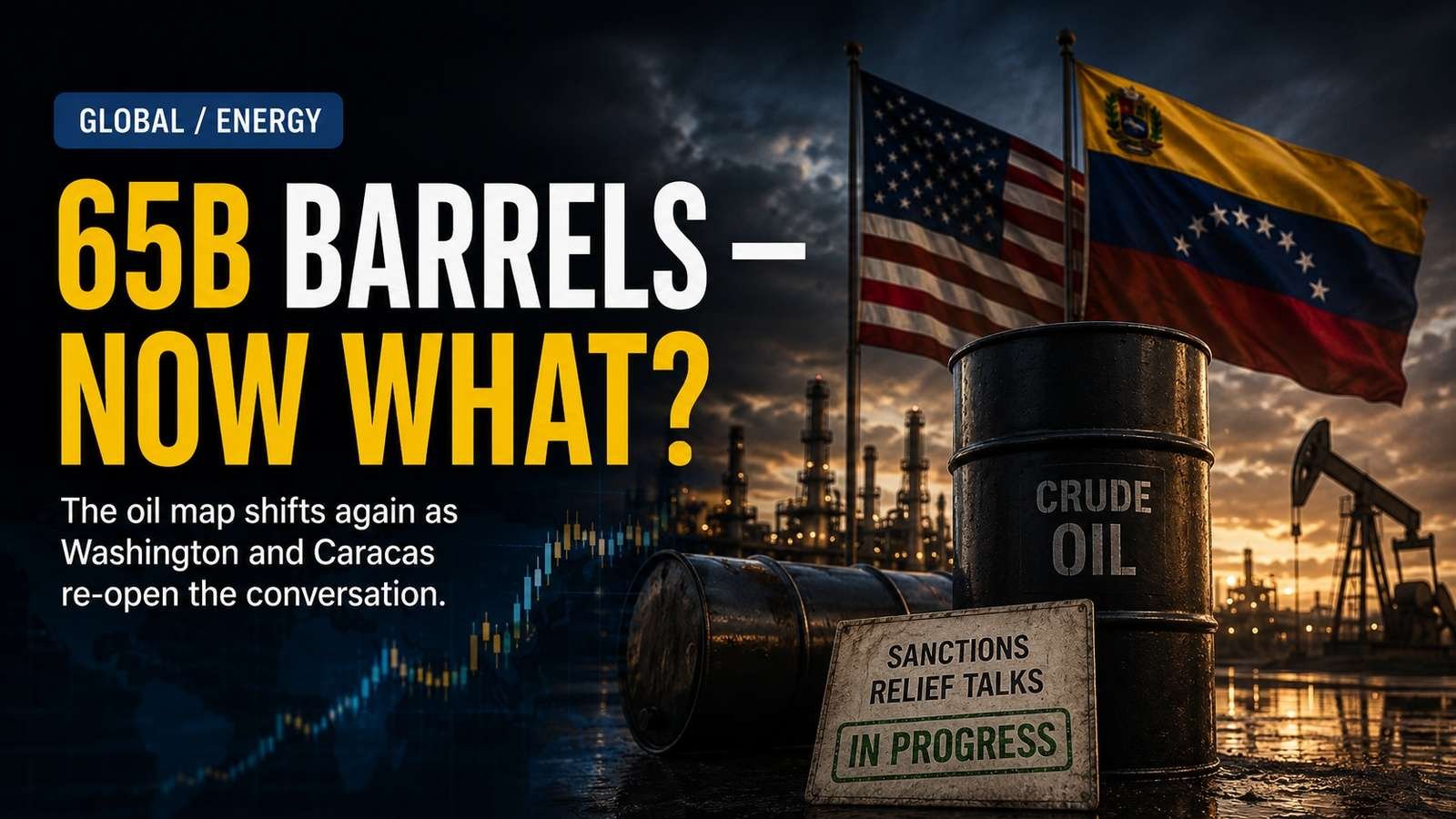
President Donald Trump says the United States has secured majority control over more than 65 billion barrels of Venezuela’s proven oil reserves through a public-private arrangement. The scale is extraordinary — roughly a fifth of the country’s vast reserves — and Venezuela’s interim government says the plan could attract about $100 billion of investment.
The market should resist the simplest conclusion. Control over reserves is not the same thing as new supply next quarter. Venezuela’s infrastructure, legal framework, field quality and investment requirements mean the timing of actual barrels is the variable that matters.
WHAT HAPPENED
Reuters reported that the agreement is expected to involve a group of 17 fields, including assets in the Orinoco Belt and Lake Maracaibo. Trump said the arrangement would involve private business and no cost to U.S. taxpayers.
Venezuelan officials have welcomed the plan, while legal and constitutional questions remain around foreign control and concession structure. Details of participating U.S. companies and final field-by-field terms remain limited.
WHAT EVERYONE IS WATCHING
Oil traders will ask whether the deal can lower U.S. gasoline prices.
That depends on production, not reserves. Years of underinvestment, power problems, port bottlenecks and heavy-crude processing needs cannot be solved by announcing ownership terms.
WHAT THE MARKET MAY BE MISSING
The geopolitical value may arrive before the physical barrels. Long-term U.S. control could redirect investment, weaken other countries’ influence over Venezuelan crude and change expectations for future Atlantic-basin supply.
But if the market prices the full reserve headline as near-term production, it may be discounting engineering and infrastructure reality.
THE NUMBERS
• Reserves under majority U.S. control claimed: more than 65 billion barrels • Fields discussed in prior Reuters reporting: 17 • Private investment cited by Venezuelan side: about $100 billion • Venezuela remains one of the world’s largest reserve holders • Full commercial terms and production timetable remain unclear
POSITIVE CASE
Stable legal terms and credible U.S. operators could unlock years of investment, lift output and create a durable new supply source for U.S. refiners.
DOWNSIDE CASE
Constitutional challenges, political reversal, poor infrastructure, high development costs or company reluctance could delay production for years. Reserve access would then have little immediate effect on global balances.
WHAT WOULD CHANGE THE STORY
Signed field contracts, operator names, capex commitments, production targets, port upgrades and Venezuelan legal approvals will convert the headline from political announcement to investable supply.
RELATED THEMES
Brent, WTI, Chevron, U.S. refiners, Venezuela, OPEC, heavy crude, Strategic Petroleum Reserve and geopolitical energy security.
PRICEVIA VIEW
The number is 65 billion barrels. The question is barrels per day. Until the market sees a credible production path, this is a long-duration supply story, not an instant oil glut.
SOURCES & TIMESTAMP
Reuters reports dated August 27–28 and AP coverage published August 29, accessed August 29, 2026 IST.
MARKET-RISK DISCLAIMER
For information and education only; not investment advice. Markets, regulatory decisions and transaction terms can change, and investors should verify time-sensitive information before acting.
Related PriceVia analysis

Trump Removed Irish Whiskey’s 10% Tariff — Now the Paperwork Must Catch Up
The announcement offers relief to distillers after duties on EU wine and spirits, but exporters still need a formal implementation path and want zero-for-zero treatment across the drinks trade.

India Is Importing Sugar Again — Festival Prices Forced the Door Open
New Delhi allowed one million tonnes of duty-free imports and warned mills to keep supplies adequate after hoarding pushed prices to a record and 20% above levels two months earlier.
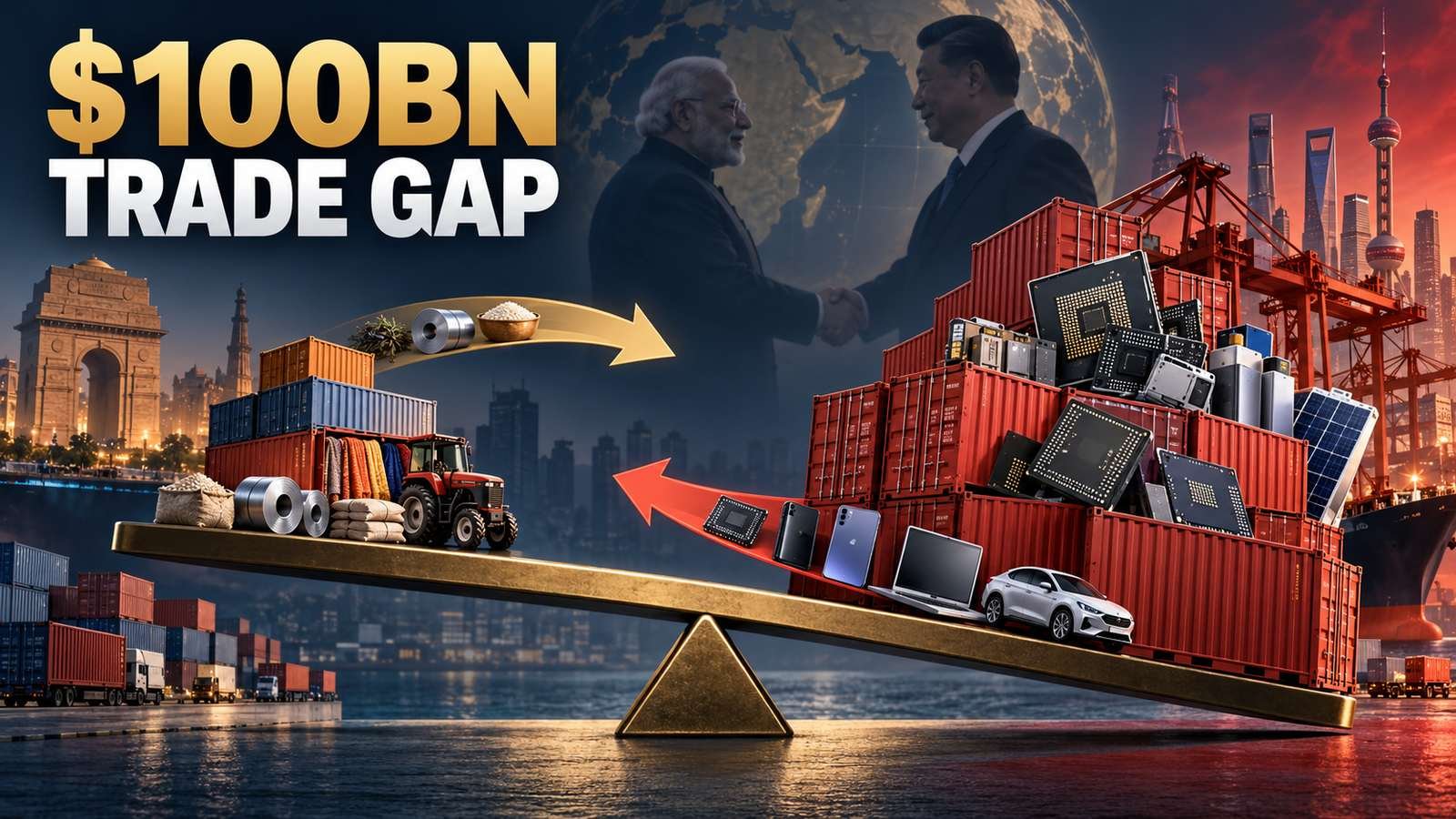
India and China Are Talking Again — The $100 Billion Trade Gap Is Still in the Room
Xi Jinping’s first India visit in seven years signals a diplomatic reset, but record bilateral commerce remains shaped by Indian dependence on Chinese machinery, electronics and industrial inputs.

The India–EU Trade Deal Cleared Another Gate — Ratification Is the Real Finish Line
The European Commission has advanced the agreement toward Council approval and signature, but tariff savings and 2027 implementation still depend on legal completion and ratification.