Four South American Nations Are Coordinating on Copper and Lithium — This Isn’t a Cartel Yet
Chile, Argentina, Bolivia and Peru are trying to coordinate investment and development around critical minerals, but the first agreement is about cooperation rather than price control.
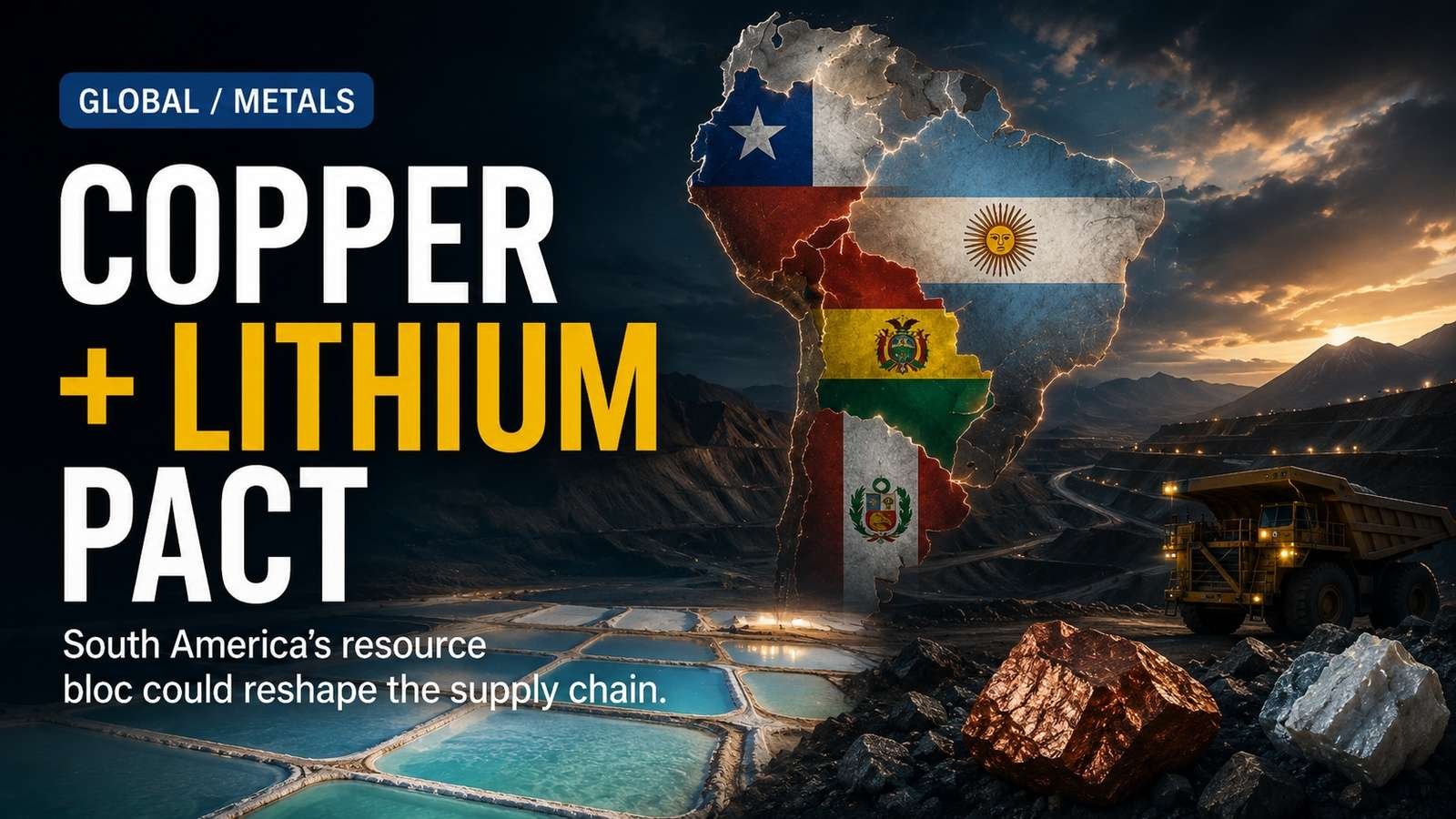
Chile, Argentina, Bolivia and Peru have signed a declaration to deepen cooperation on strategic minerals, placing some of the world’s most important copper and lithium resources inside a new regional coordination framework.
The word “pact” invites comparisons with commodity cartels. The current agreement is much less aggressive. It focuses on investment, research, geological information, institutional capacity and multilateral support — not production quotas or coordinated pricing.
WHAT HAPPENED
The four countries said they want to strengthen their position as reliable suppliers for the energy transition and new technologies.
Reuters reported plans for joint public-private calls around research and innovation and efforts to secure technical and financial support from multilateral institutions. The region is already drawing international partnerships around critical-mineral supply chains.
WHAT EVERYONE IS WATCHING
Investors will watch whether the declaration leads to faster project approvals and more investment.
The more important test is coordination across very different national mining regimes. Chile, Argentina, Bolivia and Peru have different approaches to state participation, taxation, permitting and foreign capital.
WHAT THE MARKET MAY BE MISSING
The pact can matter even without cartel power. Shared geological data, infrastructure planning and common technical standards can reduce project friction and improve the region’s bargaining position with global buyers and financiers.
At the same time, too much policy coordination could create concern about resource nationalism if governments move from cooperation toward restrictive terms.
THE NUMBERS
• Countries: Chile, Argentina, Bolivia and Peru • Key minerals: copper and lithium • Focus: investment, research, policy coordination and institutional capacity • Planned support: multilateral technical and financial backing • No announced production quotas or coordinated price mechanism
POSITIVE CASE
Better regional infrastructure and policy cooperation could unlock projects faster and diversify global supply away from concentrated processing hubs.
DOWNSIDE CASE
Political changes, permitting delays and state-control disputes could limit the pact to declarations. Investors may also hesitate if coordination increases fiscal or ownership demands.
WHAT WOULD CHANGE THE STORY
Concrete cross-border projects, common standards, financing commitments and changes to permitting or royalty regimes will show whether cooperation becomes economically meaningful.
RELATED THEMES
Copper, lithium, EV batteries, power grids, Chilean mining, Argentine lithium, Bolivian resources, Peru and energy-transition supply chains.
PRICEVIA VIEW
This is not “OPEC for lithium.” The more realistic opportunity is boring but valuable: coordination that reduces the time and cost required to turn reserves into financed projects.
SOURCES & TIMESTAMP
Reuters August 28 report, cross-checked with regional critical-mineral cooperation reporting including Natural Resources Canada activity in Santiago, accessed August 29, 2026 IST.
MARKET-RISK DISCLAIMER
For information and education only; not investment advice. Markets, regulatory decisions and transaction terms can change, and investors should verify time-sensitive information before acting.
Related PriceVia analysis

Trump Removed Irish Whiskey’s 10% Tariff — Now the Paperwork Must Catch Up
The announcement offers relief to distillers after duties on EU wine and spirits, but exporters still need a formal implementation path and want zero-for-zero treatment across the drinks trade.

India Is Importing Sugar Again — Festival Prices Forced the Door Open
New Delhi allowed one million tonnes of duty-free imports and warned mills to keep supplies adequate after hoarding pushed prices to a record and 20% above levels two months earlier.
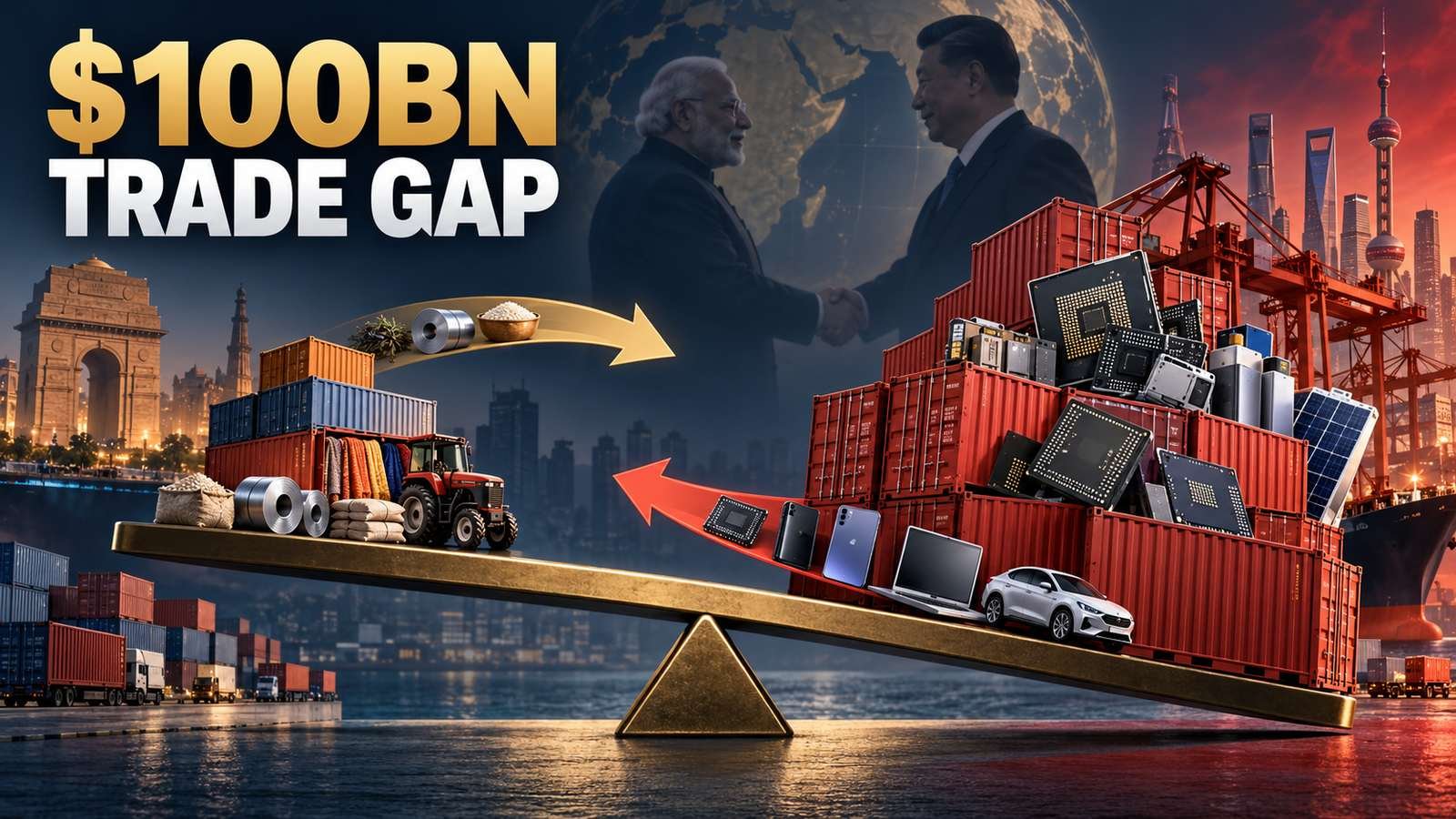
India and China Are Talking Again — The $100 Billion Trade Gap Is Still in the Room
Xi Jinping’s first India visit in seven years signals a diplomatic reset, but record bilateral commerce remains shaped by Indian dependence on Chinese machinery, electronics and industrial inputs.

The India–EU Trade Deal Cleared Another Gate — Ratification Is the Real Finish Line
The European Commission has advanced the agreement toward Council approval and signature, but tariff savings and 2027 implementation still depend on legal completion and ratification.